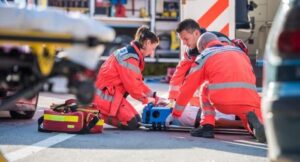
Medical teams are critical for athlete safety and public wellbeing during the Olympics. These roles range from qualified professionals to first aid responders, forming a comprehensive network of care across every event venue. Whether it’s managing a minor injury in the stands or providing elite sports medicine to world-class athletes, the healthcare workforce is the safety net of the Brisbane 2032 Games.
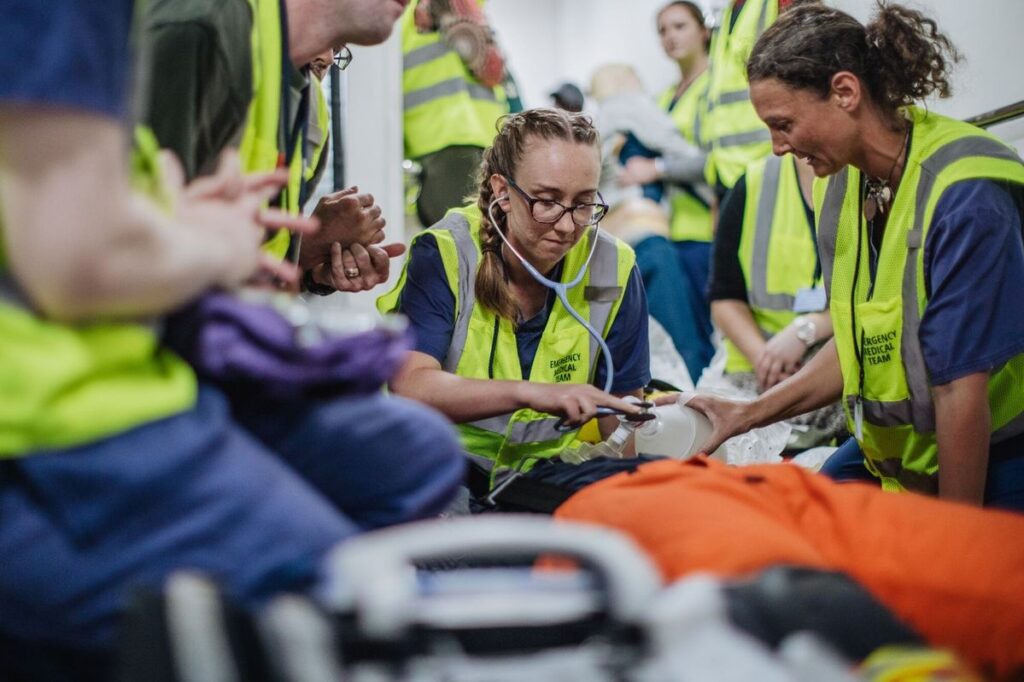
What These Jobs Involve
The medical operation for a global event of this scale is massive and highly organized:
- Providing medical assistance: Offering immediate care to athletes, officials, and spectators.
- Responding to emergencies: Acting as rapid response teams for accidents or sudden health issues.
- Supporting athletes and staff: Working in specialized clinics to manage physical therapy and recovery.
- Managing first aid stations: Overseeing high-visibility posts located throughout stadiums and public fan zones.
Requirements / Skills
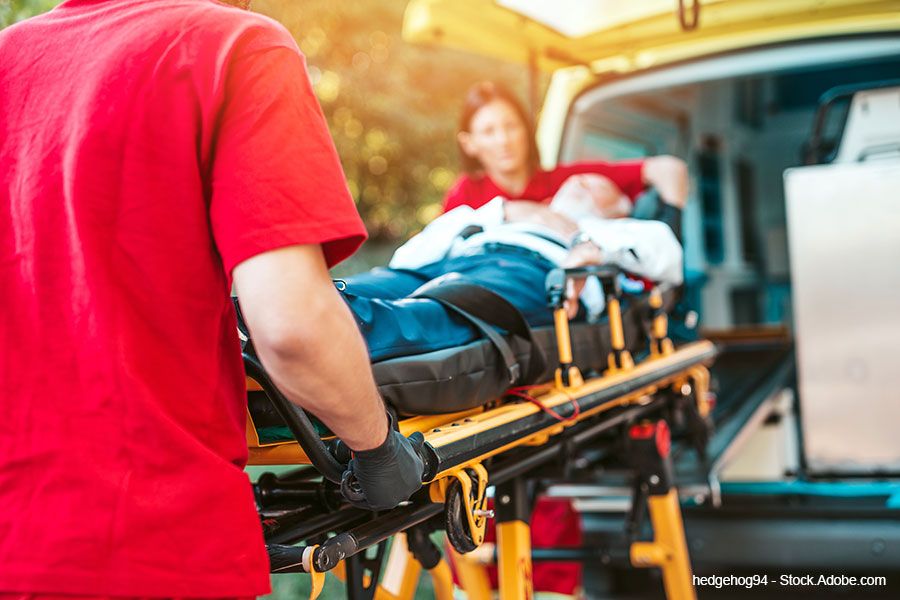
Because of the high stakes, these positions require specific certifications and a strong mental game:
- Medical qualifications: Doctors, nurses, and physiotherapists must have current AHPRA registration or equivalent international credentials.
- First aid certification: Essential for entry-level responder roles and volunteer positions.
- Ability to remain calm under pressure: Crucial for making quick, life-saving decisions in a crowded environment.
- Communication: Effectively coordinating with other emergency services and Media & Broadcasting teams to manage information during incidents.
How to Get Started
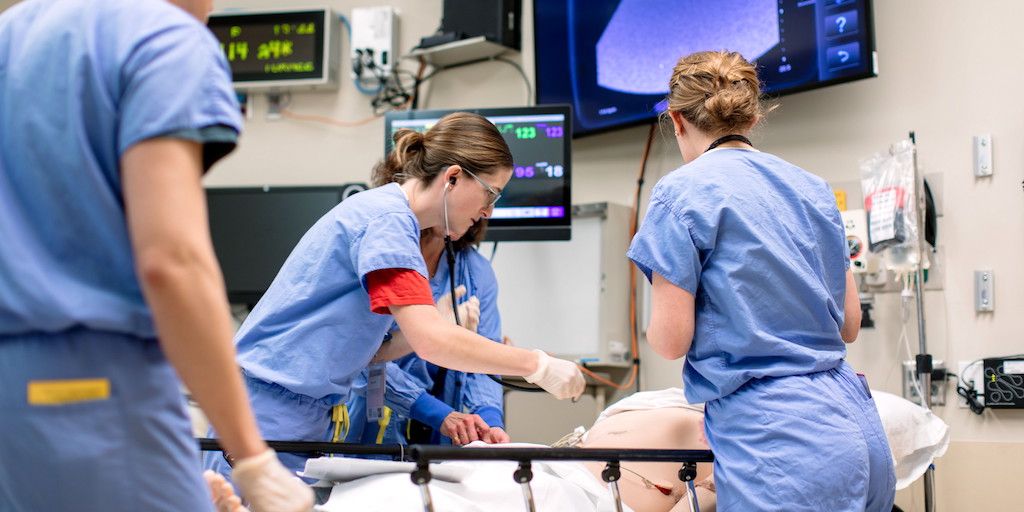
If you are looking to join the Olympic medical force, consider these paths:
- Obtain first aid certification: A great first step for those who want to start in basic responder roles.
- Apply through healthcare providers: Private hospitals and specialized medical contractors will handle much of the hiring.
- Look for volunteer medical roles: A fantastic way to gain experience and be part of the Games’ legacy. While these are clinical, they often require support from Volunteer for scheduling and patient data.
Pay & Conditions
- $30–$90 per hour: Rates vary significantly based on your level of specialization (e.g., Paramedic vs. Specialist Doctor).
- Shift work: Expect to work according to the event schedule, which often includes long days and weekends.
- High responsibility: These are high-impact roles where your expertise directly affects the success and safety of the event.
FAQ
Do I need qualifications?
Yes for most roles. Clinical positions require formal degrees and registration. However, basic first aid roles are more accessible for those with the right certifications. This sector is a major part of the Brisbane Olympics Jobs rollout, offering both professional and volunteer pathways.