
Here is an expanded comparison that adds more depth to both career paths while maintaining your original structure.While FIFO has traditionally been the “go-to” for Australians looking to build wealth quickly, the Olympic cycle represents a shift toward building “career equity” and global credentials.
FIFO Jobs (Fly-In Fly-Out)
- High Immediate Pay
- Long Hours & Roster Life
- Remote Locations
- Sector Specialization
FIFO roles offer significantly higher salaries and “swing” schedules to compensate for the mental and physical demands of 12-hour shifts in remote regions like the Pilbara. While these positions foster a unique, tight-knit camp life and provide deep technical expertise in the mining and construction sectors, they require long periods away from home and primary social networks.
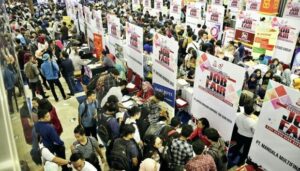
Olympic Jobs
- More Social & Urban Environment
- Flexible & Multi-Phase Roles
- Diverse Industry Exposure
- The “Legacy” Advantage
Based in major host cities, Olympic roles serve as a massive networking accelerator where you collaborate with a diverse melting pot of international talent. The Games offer a versatile professional lifecycle—ranging from decade-long infrastructure planning to high-energy event operations—across varied sectors like media, cybersecurity, and sustainable design.
Final Thoughts
The decision boils down to your immediate goals. FIFO remains the leader for rapid capital accumulation and financial sprints. However, Olympic jobs offer more variety, better lifestyle integration, and a prestigious professional legacy that provides long-term opportunities well after the event concludes.