Not all transport jobs involve driving. While the buses and trains get the spotlight, the “brains” of the network reside in secure, high-tech facilities across the city. These control centers act as the nervous system for the 2032 Games, ensuring that every movement—from athlete shuttles to emergency vehicles—is synchronized in real-time.
What These Jobs Involve
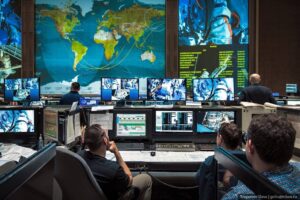
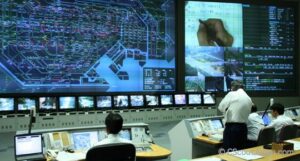
Monitoring traffic systems and coordinating movements. You’ll be responsible for managing live CCTV feeds, adjusting smart traffic signal timing to clear congestion, and dispatching response teams to incidents. This also includes “Active Transport” monitoring, where you ensure pedestrian corridors and cycling paths are flowing safely during peak event arrival and departure windows.
Requirements & Skills
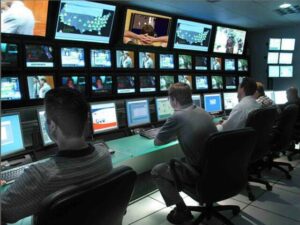
Attention to detail and tech familiarity. You need the ability to synthesize data from multiple screens and interpret complex GIS (Geographic Information System) maps. Strong situational awareness and the ability to communicate clear, concise instructions over radio and digital dispatch systems are critical, especially when coordinating with police and emergency services during high-pressure incidents.
How to Get Started
Apply via transport authorities. In Queensland, the Department of Transport and Main Roads (TMR) and Brisbane City Council are the primary employers. Look for “Traffic Management Centre” (TMC) or “Network Coordination” roles. Many entry-level operators start with a background in security monitoring, emergency dispatch, or logistics before moving into specialized government transport control roles.
Pay & Conditions
Mid-range pay. In the current 2026 market, Control Room Operators typically earn between $95,000 and $115,000 per year, depending on seniority and shift patterns. These roles are usually based in climate-controlled, secure facilities and operate on 24/7 rotating rosters, which provides substantial opportunities for shift loadings and weekend penalty rates.
Insider Insight
Less visible but critical role. You are the “invisible hand” that prevents the city from grinding to a halt. Success in this role means nobody notices you—because when the traffic flows perfectly, it’s a direct result of your proactive adjustments. During the Olympics, these roles are among the most respected in the infrastructure sector, as you hold the literal keys to the city’s mobility.
Related Articles
Security Control Room Jobs at the Brisbane Olympics
Brisbane Olympics IT Jobs: Tech Roles You Should Know
Transport Control Room Jobs (Behind the Scenes)
FAQ
Do I need experience?
Not always — many roles value reliability over experience. Organizers know they can easily train you on their specific software and systems, but they cannot teach a strong work ethic, punctuality, or a positive attitude.
When should I apply?
Start positioning now — hiring spikes closer to 2032. Building a track record over the next few years with the third-party vendors and local councils who are currently laying the groundwork will put you at the very front of the line when the massive hiring waves hit.
Want early access to Brisbane 2032 Olympic job opportunities?
Sign up to our mailing list here